What you need to know about drink spiking
What is drink spiking?
Drink spiking, or K.O. drops as they are known in German-speaking countries, refers to substances that are misused to render people unconscious, compliant or unable to act. They can be slipped into drinks unnoticed in order to commit crimes. Various substances can be used, such as liquid ecstasy (GHB and GBL), ketamine or benzodiazepines.
What makes GHB and GBL special
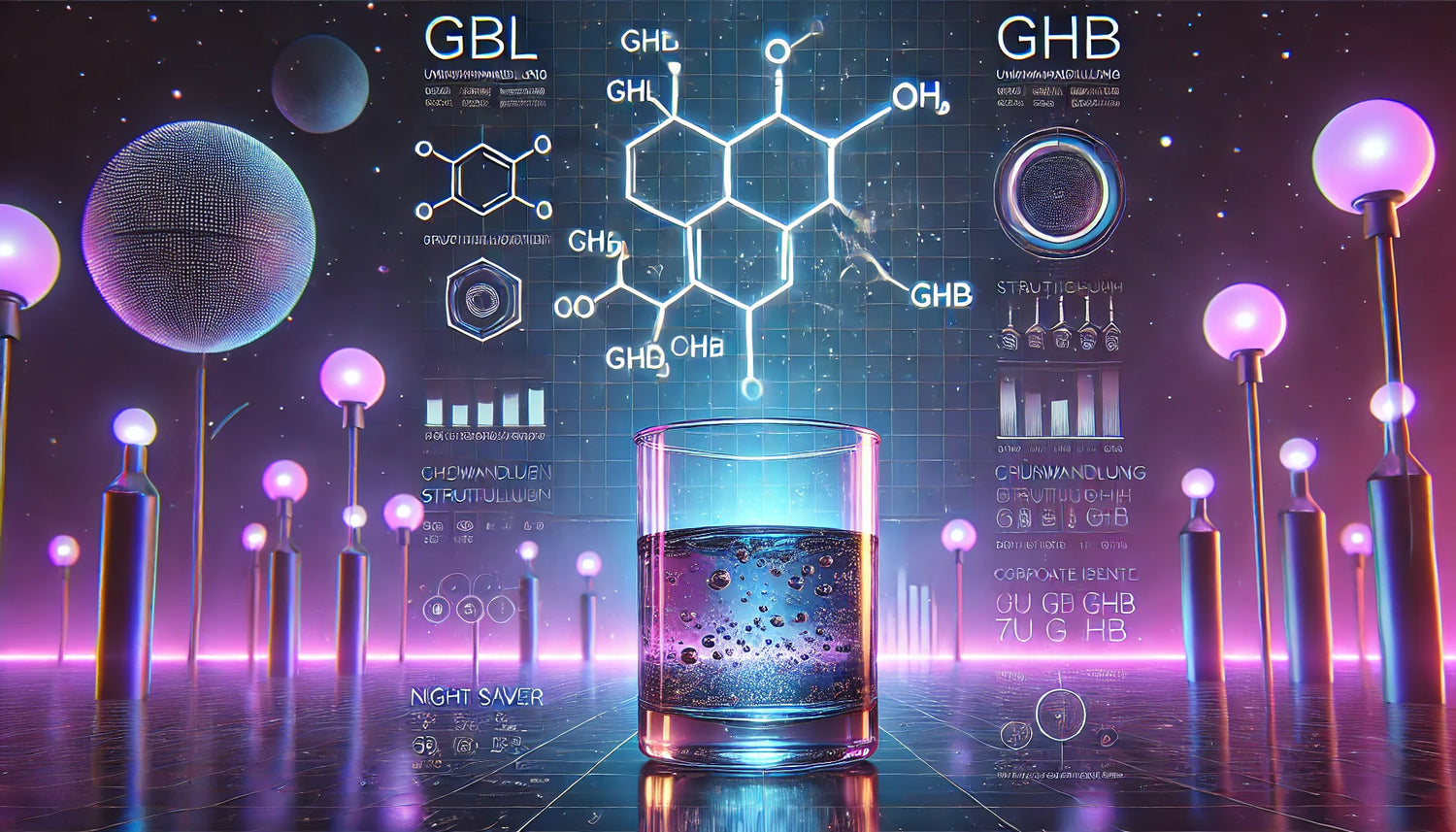
Experts believe that, apart from alcohol, the substance GHB and its precursor GBL are the most commonly used drink spiking substances, as they are quick and comparatively cheap to obtain on the black market. Their effect profile and short detection window are big advantages for perpetrators. GHB is a highly potent general anaesthetic. This means that GHB can switch off both the sensation of pain and consciousness, making it suitable for inducing anaesthesia. Much like ketamine, however, this substance is misused as a party drug because it produces a “high” at very low doses.
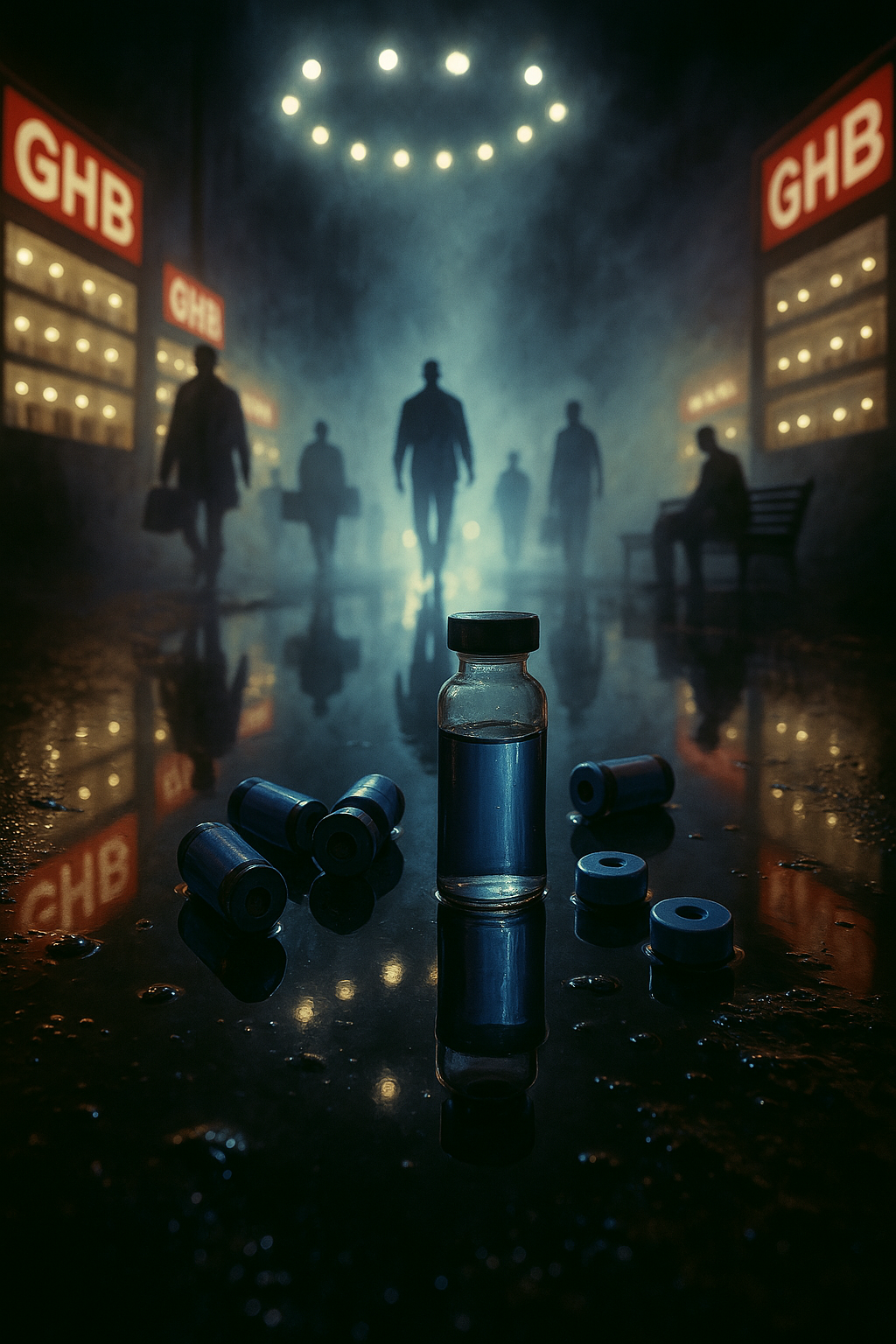
Demand for GHB is rising on the black market
GHB is a neurotransmitter that occurs naturally in every human brain. When it is released, it binds to the body’s own GHB receptor and has a euphoric, anxiety-relieving, disinhibiting and sexually stimulating effect. GHB taken from outside initially has the same effect at low doses. Voluntary GHB use increases demand on the black market and means that GHB is often already present, hidden away, in party settings. This availability also makes it easier for perpetrators to misuse it.
A dose of GHB just a few microlitres higher leads to higher blood plasma concentrations and then has a narcotic effect. This is because GHB can also bind to so-called GABA receptors in the nervous system. Since this binding works poorly, an unnaturally high dose of GHB is needed. When the GABA receptors are stimulated, a kind of sleep programme is triggered in the body. The GABA system is also where many other anaesthetic drugs act. Combined with alcohol, GHB works considerably longer and more strongly at the same dose.
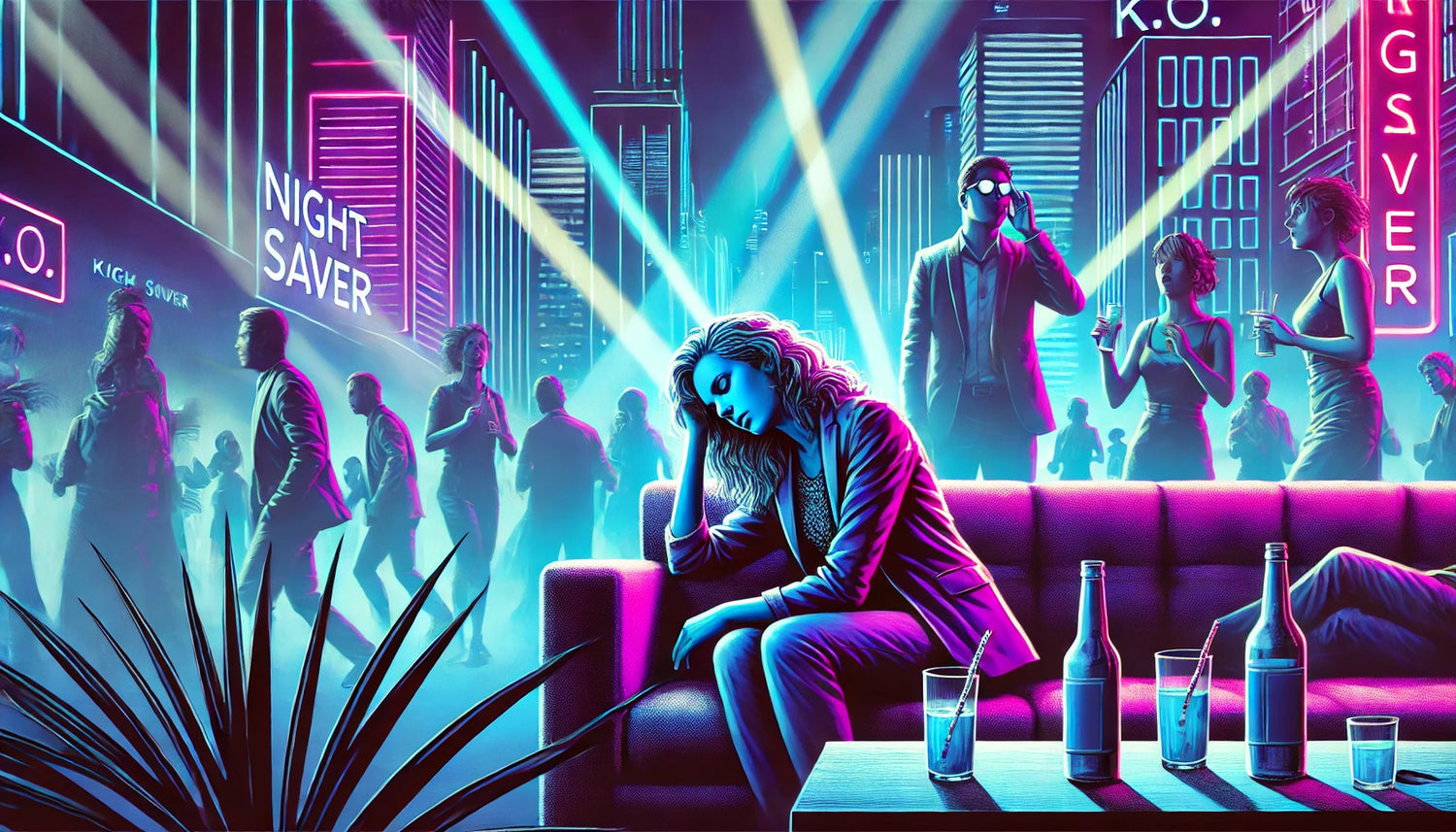
GBL takes effect seconds after ingestion
Besides GHB there is also the substance already mentioned, γ-butyrolactone (gamma-butyrolactone or GBL), which is completely converted into GHB in the blood within seconds of ingestion. However, before conversion GBL reaches significantly higher blood plasma concentrations than GHB, which at the same dose leads to higher GHB blood levels and therefore stronger impairment. GBL is used industrially as a solvent and is therefore comparatively cheap and freely available.
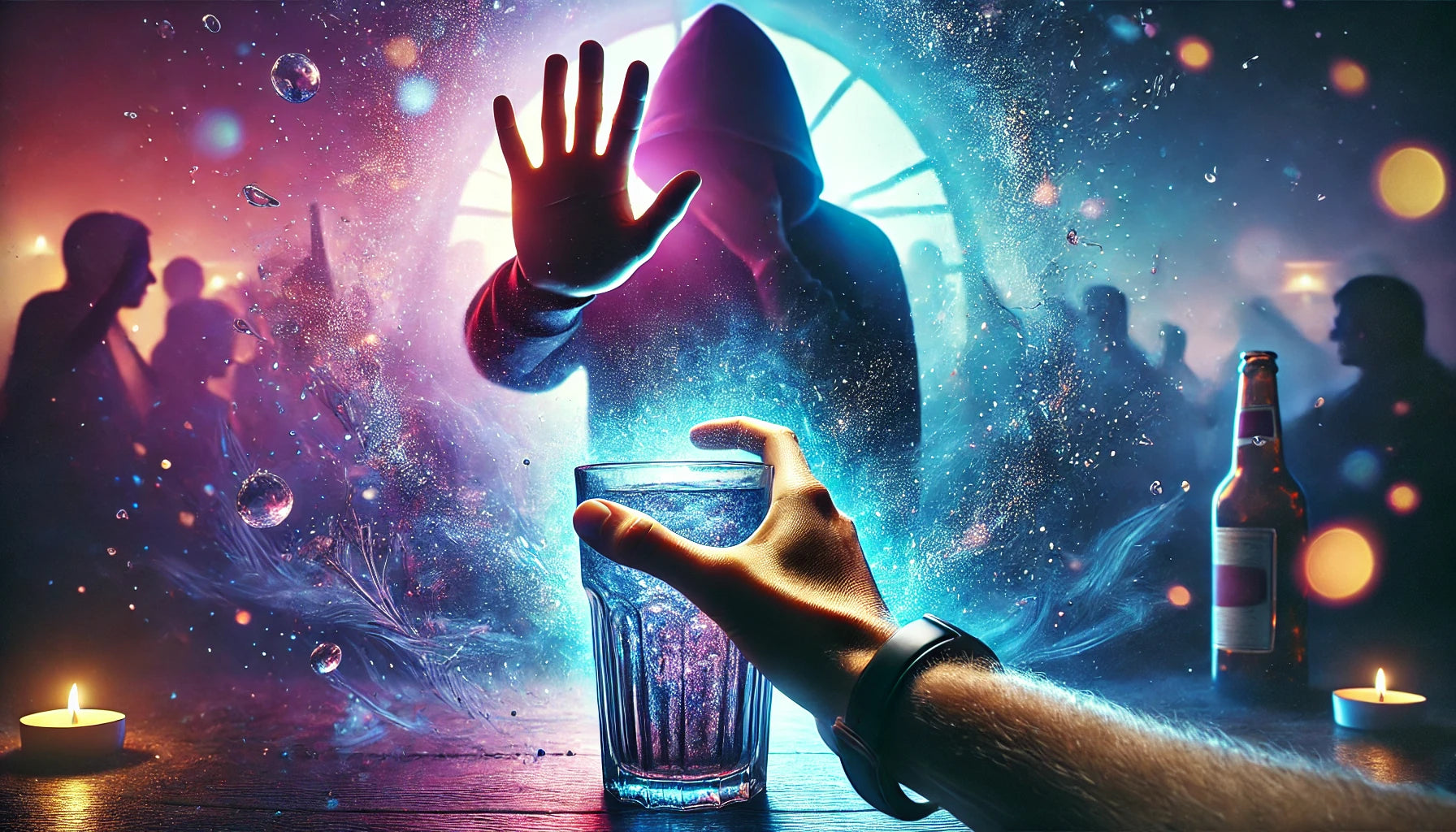
What good are drink spiking wristbands?
How long can spiking substances be detected?
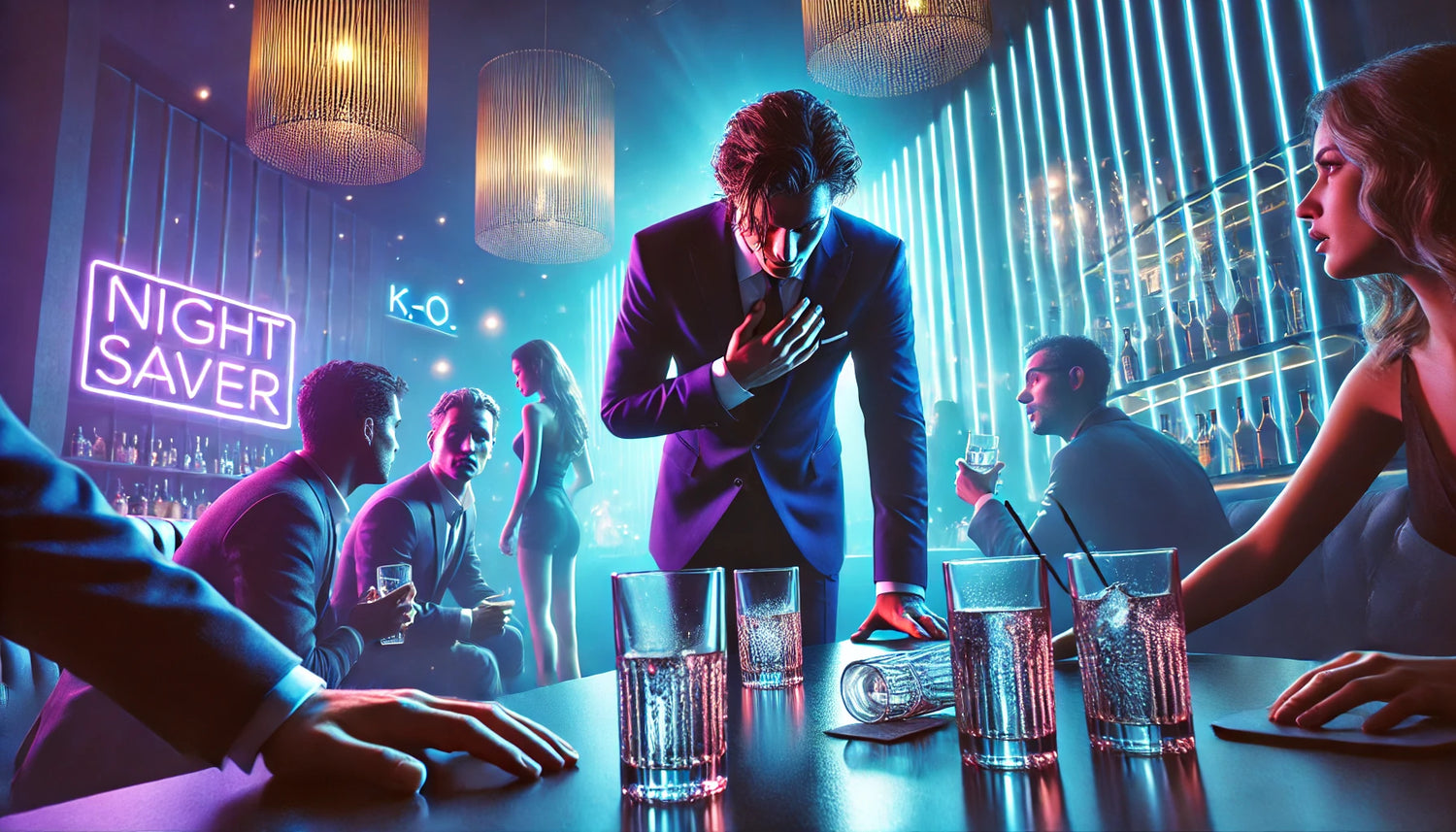
What can you do if your drink has been spiked?
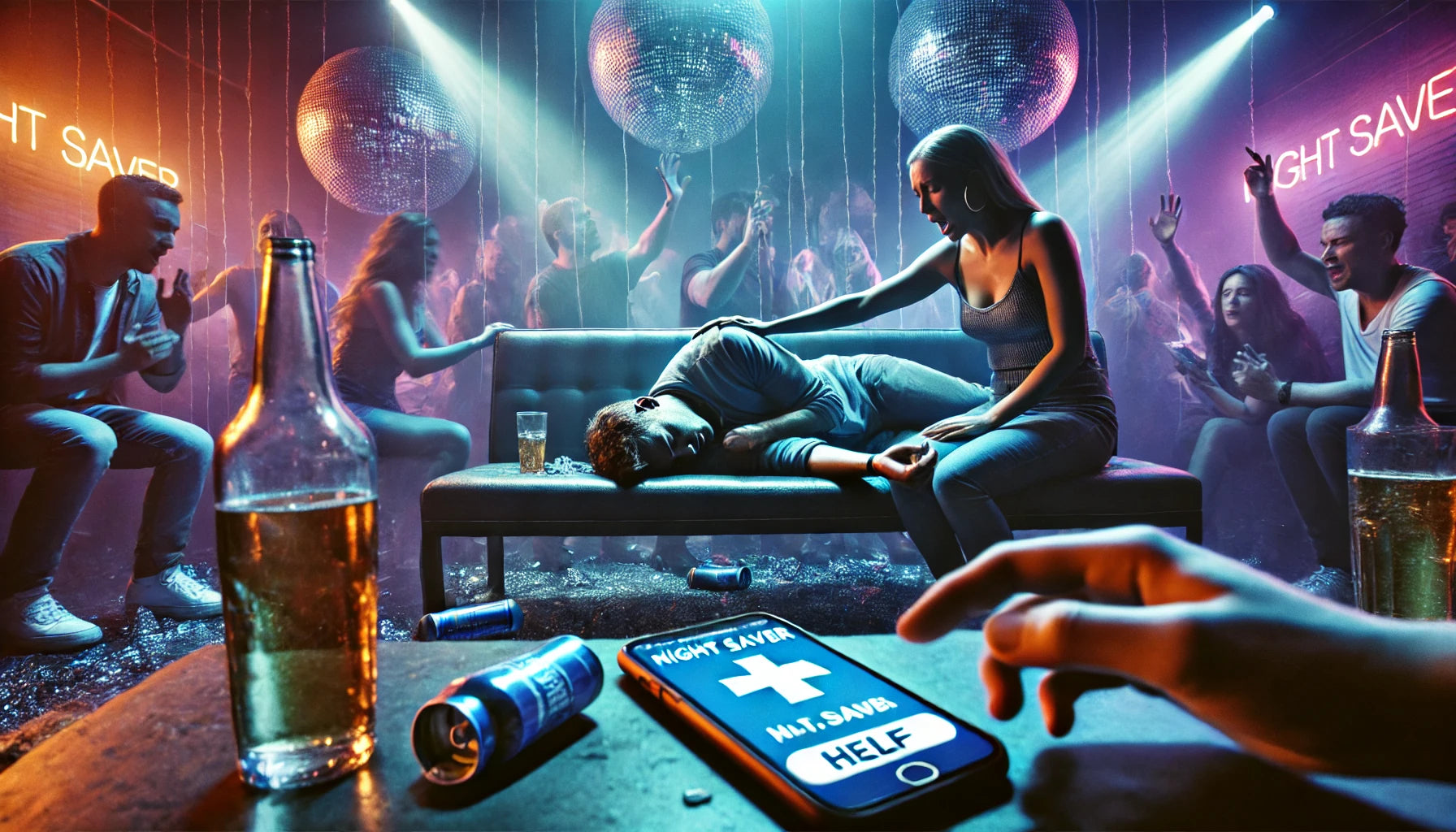
You’ve hardly had anything to drink, but suddenly you feel really unwell? Alert your friends and the people around you and ask them for help. Have them call an ambulance. It makes sense to be taken to a hospital, where doctors can monitor you in case paralysis causes you to stop breathing and you need to be ventilated. For some spiking substances there is even an antidote. Unfortunately that isn’t the case for GHB, which makes medical monitoring all the more important. If you suspect that someone has spiked your drink, acting quickly is important. Spiking someone’s drink is grievous bodily harm and therefore a criminal offence. So even if no rape, robbery or similar has taken place in addition, you can report it to the police.
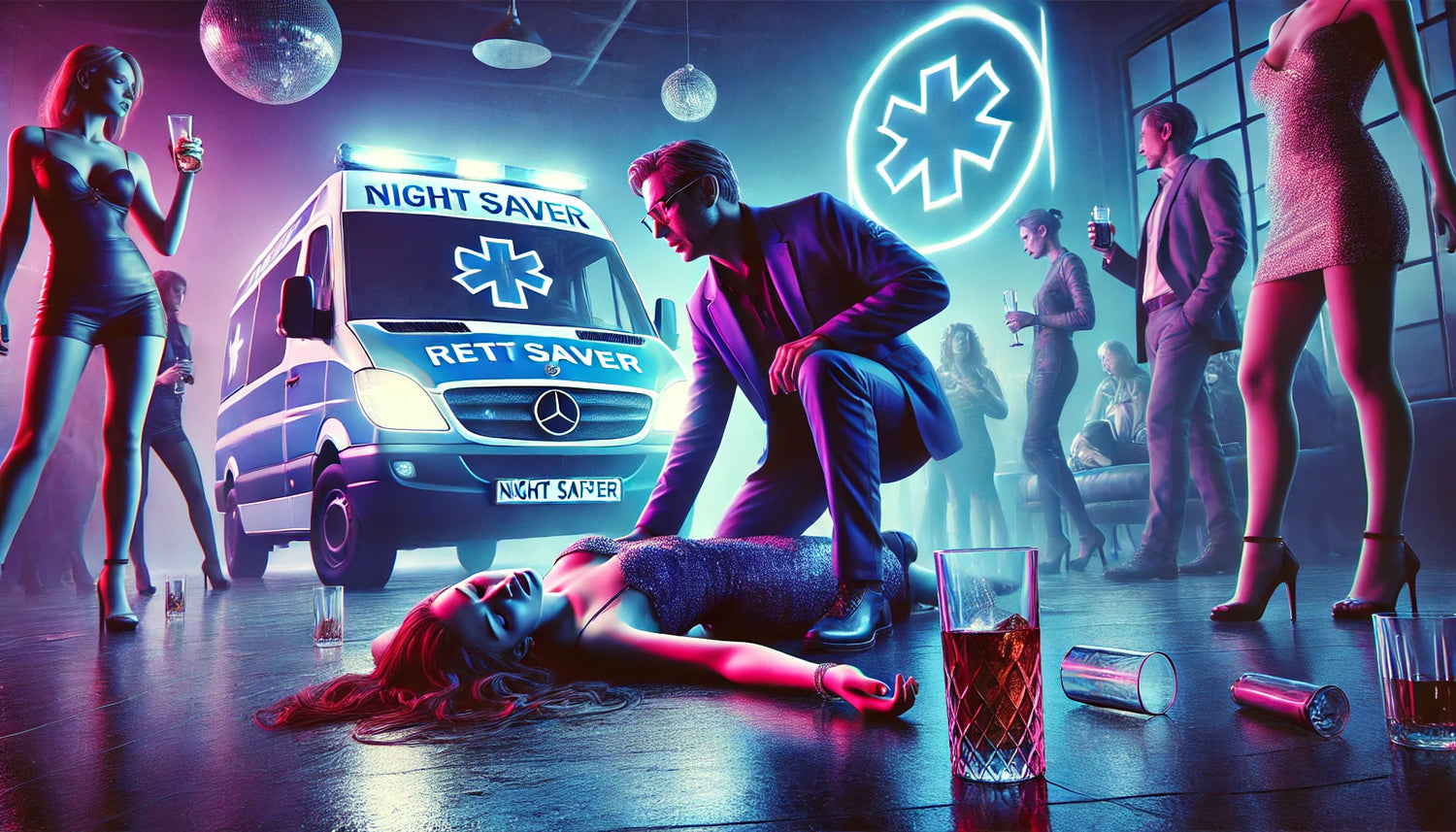
How do you help others who are under the influence of spiking substances?
If someone around you suddenly appears extremely drunk within a very short time, has to vomit or seems heavily dazed, you should take them to a safe place and not let them out of your sight. Call an ambulance on the local number (Austria: 144 | Germany: 112 | UK: 999 | EU: 112) and, if the person passes out or suddenly becomes drowsy, place them in the recovery position. If possible, keep the person’s drink as evidence. Contact the police if necessary.